

You are capable. You are organized. You have held things together through every hard season so far. And still, somewhere quiet, underneath the competence, there is something that does not feel right.
That something has a name. And it is not a problem with your character.
Resentment Is a Signal, Not a Flaw
In a recent episode of Supporting Physician Spouses, co-host Katie Harris shared an email she wrote to Kendra just weeks before her husband matched into family medicine residency. In it, she wrote something that stopped Kendra cold: “I do pretty well holding down the fort, but when I’m tired and running on empty, resentment of this arduous journey creeps in with my unmet needs.”
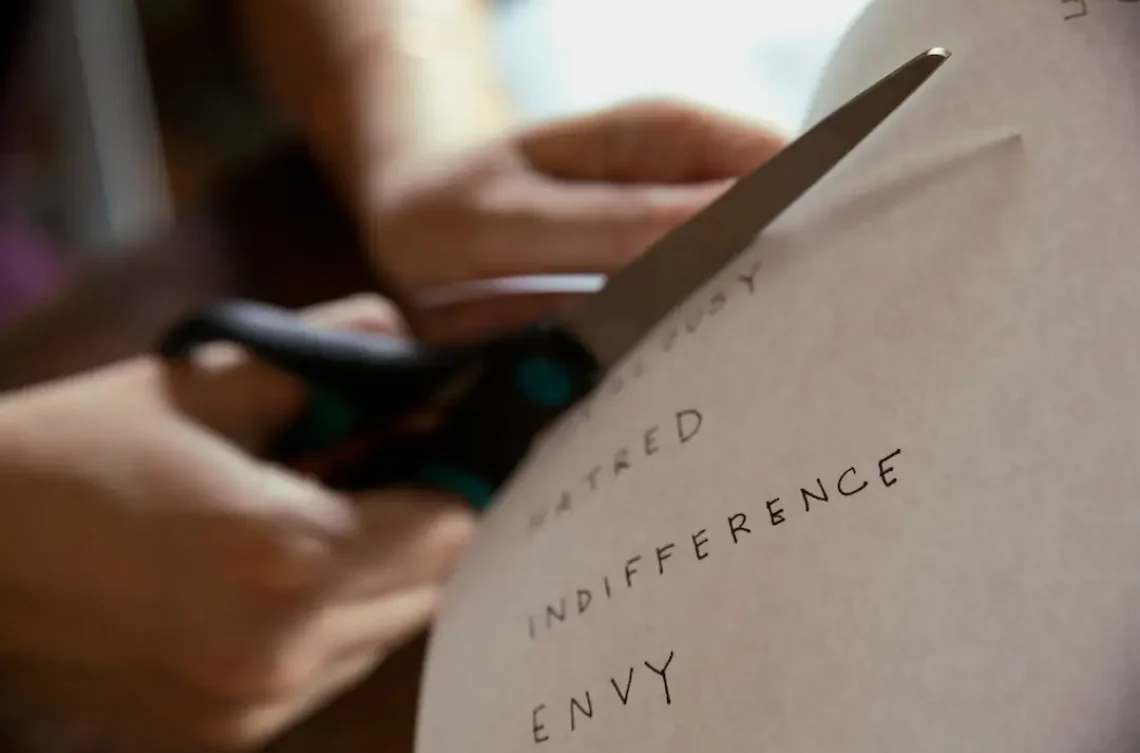
That line resonates because it is honest in a way most of us are not allowed to be. We are supposed to be grateful. Supportive. Fine. And we are… most of the time. But resentment does not mean you are ungrateful or weak. It means something important is not getting the attention it needs.
Resentment is a signal. It is telling you that somewhere, a need has gone unmet long enough that it is starting to demand to be heard.
The Cycle That Keeps You Stuck
What makes this hard is the cycle it creates. Life gets demanding. You stop taking care of yourself because there is no time, no energy, no margin. But not taking care of yourself makes life feel harder. So you stop taking care of yourself more. And eventually, that pattern becomes an identity: I’m the one who doesn’t have needs. I’m the one who holds everything together.
That identity is not the truth. It is an adaptation. And adaptation that once served you can quietly become the thing that keeps you from feeling at home in your own life.
The antidote is not adding more to your plate. It is identifying your core needs: sleep, exercise, creativity, connection, and protecting them with the same steadiness you bring to everything else.
We talked through this in depth on the podcast. Listen to the full episode here.
Three Steps to Start Right Now
The first step is simply to name your needs. Not what you think you should need, what you actually need. Movement. Quiet. Real conversation with someone who knows you. Time that belongs to you.
The second step is to build a plan and structure around each one. Not perfection. Not an hour-long morning routine you will abandon in two weeks. A small, honest commitment that fits your actual life.
The third step is accountability, telling someone what you intend to do, and giving yourself a way to notice whether it is working.
These steps will not fix everything. But they will interrupt the cycle. And interrupting the cycle is where everything begins.
If you want a place to start, the Life After Survival Mode is a quiet, private reflection, no overwhelm, just clarity.
You are not running out of time. You are not too far in. And you are not alone in this.
Photo by Megan Watson on Unsplash