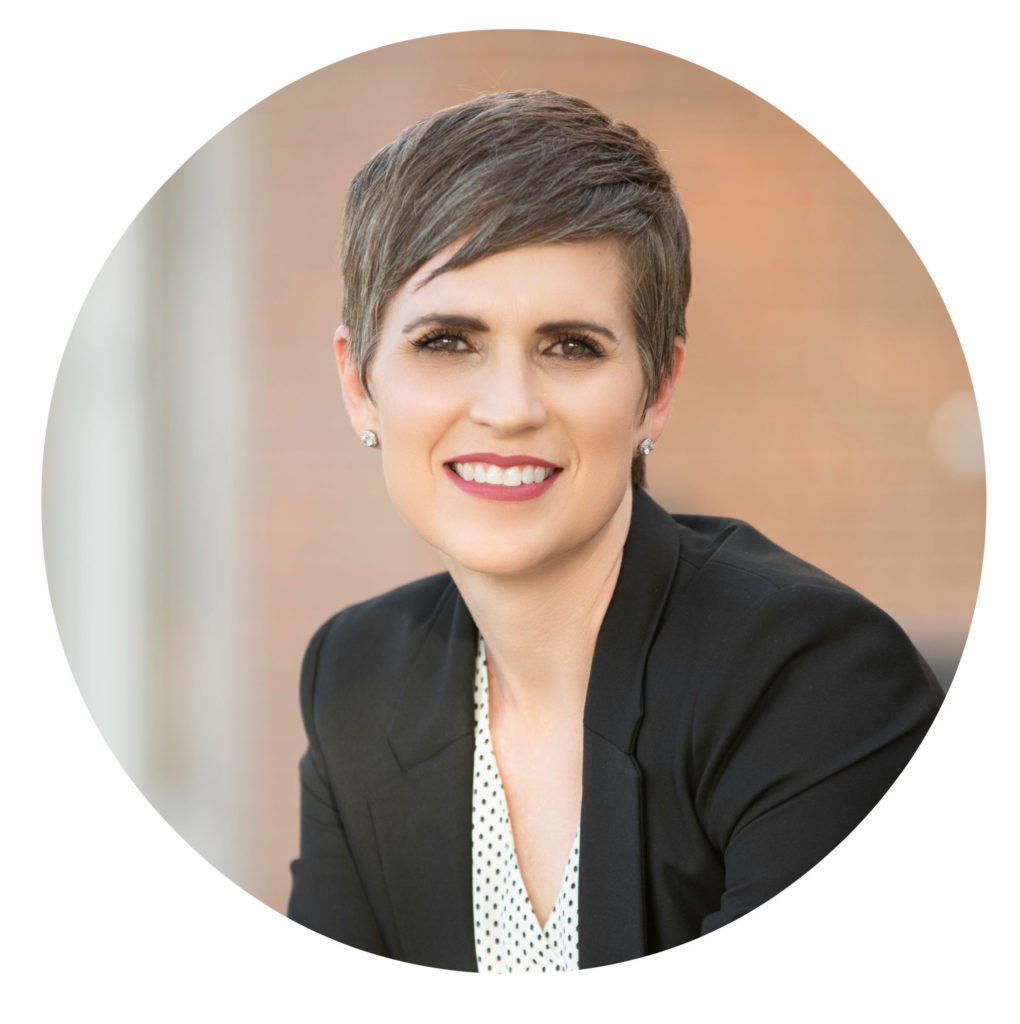
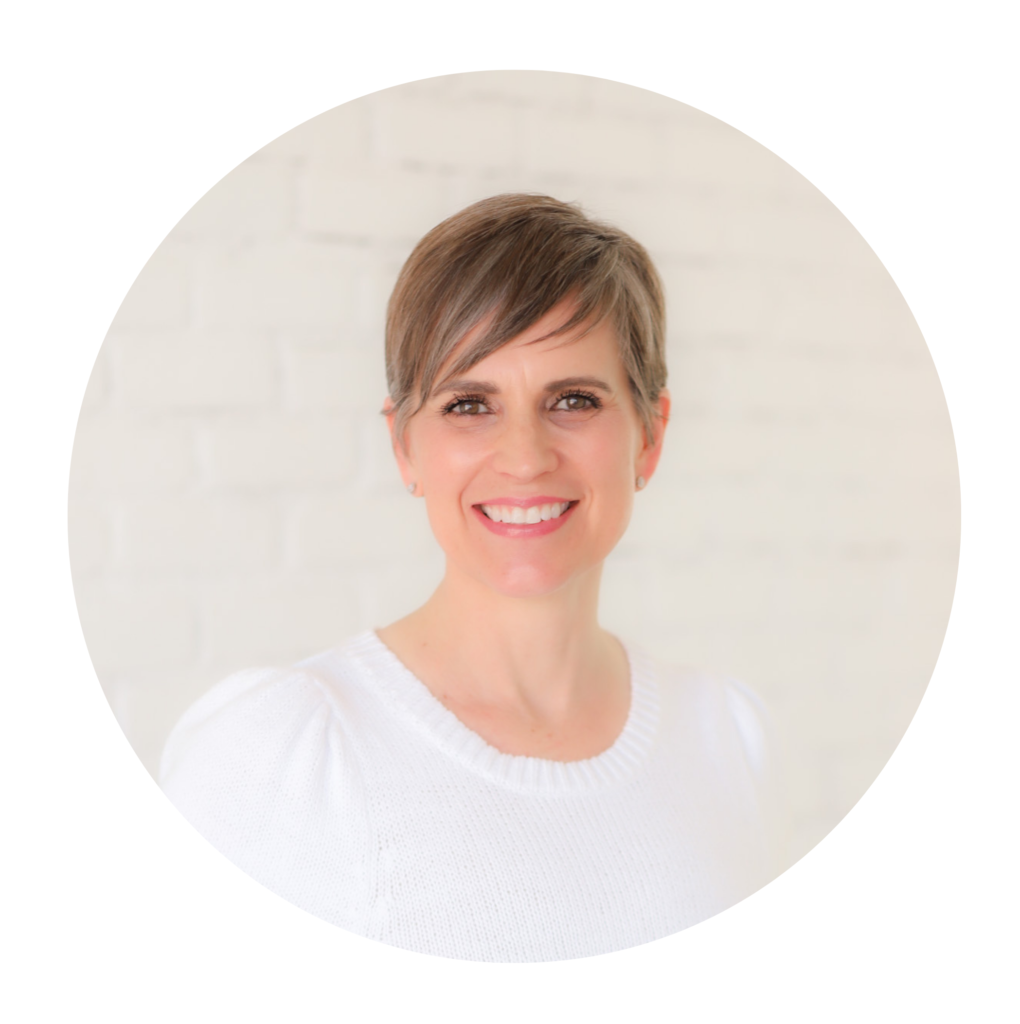
A woman who did everything the system tells you to do… reached out early, trusted her providers, brought every insider advantage a medical family has to the table… and it still nearly wasn’t enough.
When Emily E. Johnson’s son was born in 2023, her husband was finishing his fourth year of medical school. Between the two of them, they had more healthcare literacy than most families walking through a hospital door. So when her anxiety started building, day by day, when small things like strapping a car seat or cleaning bottles started to feel impossible, they knew what you’re meant to do. They asked for help. Early. Within the first couple of weeks.
What they weren’t prepared for was what came next. The providers they trusted kept offering appointments months away, then weeks away, then finally next week, while Emily was losing her ability to eat or sleep and having thoughts that terrified her. Two and a half weeks. That’s how long it actually took her to land in the kind of specialised care that made the difference. Two and a half weeks doesn’t sound like a long time until you’re the one living inside a crisis, watching every hour stretch into its own kind of eternity.
What struck me most in this conversation wasn’t only Emily’s story, it was what she’s since learned about the rest of the world. In many countries, new mothers are never left alone for the first forty days. Someone comes and stays, cooks, holds the baby so she can rest, treats her recovery as seriously as the baby’s needs. Here, whether a mother can access specialised, mother and baby together care depends almost entirely on whether her community happened to have someone fight hard enough, or grieve hard enough, to build it. Fewer than ten of these perinatal partial hospitalisation programmes exist in the whole country, and most exist because of a tragedy, not because anyone decided in advance that mothers deserved the infrastructure.
I sat down with Emily to talk through all of it: the traumatic first weeks, the walls between healthcare systems that nearly cost her the help she needed, and what she wants every hospital system watching the news right now to actually do about it. It’s a hard conversation and an important one, and I think you’ll come away from it, like I did, with more hope than you’d expect.
What You’ll Learn (with Timestamps)
- [01:00 – 03:00] Why “we did everything right and still couldn’t get an answer” became the scariest part of Emily’s early postpartum weeks
- [06:00 – 08:00] The impossible choice between a months long outpatient wait and the ER, and what finally forced her to go
- [18:00 – 22:00] What other countries do differently: the 40 day postpartum tradition the US has never adopted
- [25:00 – 27:00] Why fewer than ten perinatal partial hospitalisation programmes exist nationwide, and what makes them different
- [28:00 – 31:00] How tragedy, not need, is what actually builds these programmes, including one built after a mother’s death by suicide
- [33:00 – 35:00] The walls between healthcare systems that kept her own providers from ever mentioning the programme that ultimately helped her
Resources Mentioned
- Women Are Dying, Deb: Inside America’s Maternal Mental Health Crisis — Emily’s book
- Mission Just One Mom — Emily’s site, including her free care-access map and data dashboard
- Postpartum Support International — mentioned in conversation as a resource for finding language and support Postpartum Support International
Your Next Steps
- Take the “Hidden Cost of Being the Strong One” Assessment
- Grab Emily’s book, Women Are Dying, Deb — currently 99 cents on Kindle for a limited time
- Connect with Emily at Mission Just One Mom
- Listen on Apple Podcasts
- Listen on Spotify
- Follow on Instagram