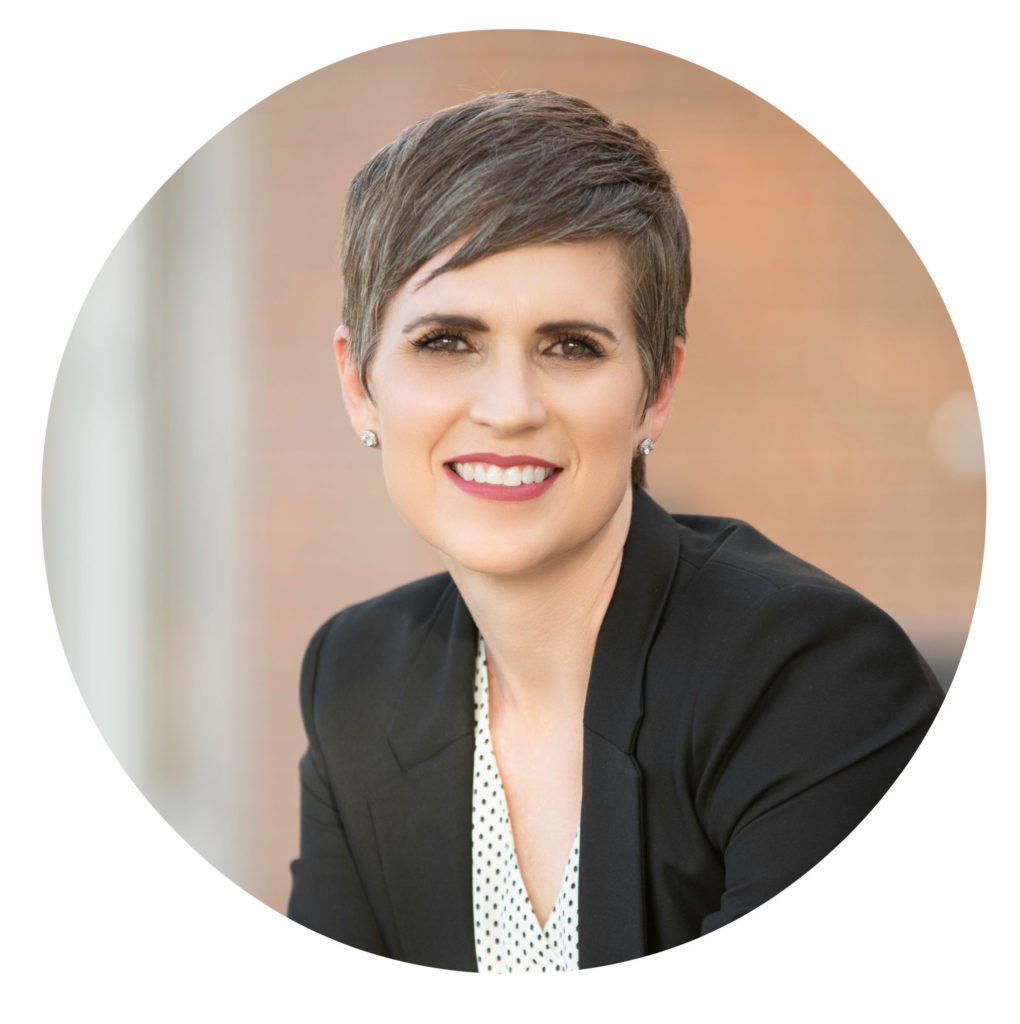
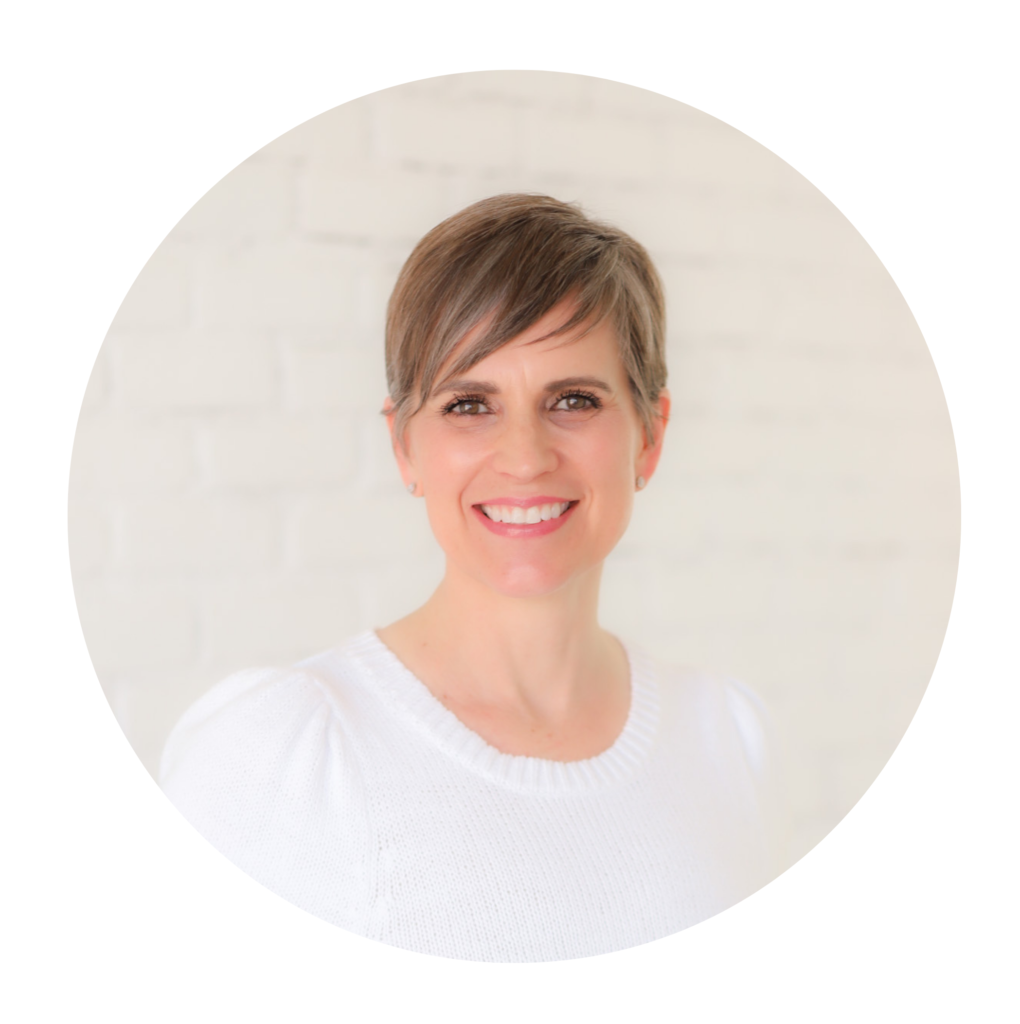
In Part 3 of our Fair Play series, Kendra sits down with her husband, Dr. Adrian Harvey, to talk candidly about what it looks like for a physician husband to move from “helping” to complete ownership at home. They unpack the provider-role pressure, the mindset shift required to truly value time equally, and how shared ownership can deepen connection with both spouse and kids, even in a demanding medical career.
In this episode, we discuss:
-
Dr. Adrian’s first reaction to Fair Play, and what changed over time
-
What “peer marriage” looks like in a physician household
-
The provider role, earning differential, and why money should not determine who carries the home
-
What complete ownership means with call schedules and limited bandwidth
-
How shared domestic ownership can shift identity, parenting connection, and partnership
-
Prioritizing marriage with five kids, protecting romance, and staying emotionally connected
-
What Dr. Adrian would tell other physician husbands who believe they “don’t have time”
Key takeaways:
-
Ownership is not “helping,” it’s taking responsibility from start to finish
-
A demanding schedule makes shared ownership harder, but also more necessary
-
When both partners value time equally, resentment drops and friendship grows
Mentioned in this series:
-
Fair Play by Eve Rodsky (book and system)
-
Modernizing Marriage: equality and flexibility make better husbands and wives (Psychology Today) https://www.psychologytoday.com/us/articles/199409/modernizing-marriage
Listen to the full Fair Play series:
-
Episode 33 (Part 1 of 4): Mental Load, Invisible Labor, and True Partnership
-
Episode 34 (Part 2 of 4): Practical Division of Labor with Unpredictable Schedules
-
Episode 35 (Part 3 of 4): Time Equality, Provider Pressure, and Being a True Partner at Home
-
Episode 36 (Part 4 of 4): Katie and Talon Harris share their Fair Play experience (coming next week)
Connect with us:
Follow us on Instagram: @supportingphysicianspouses
Have a topic idea? DM us, we love hearing from you.
Disclaimer: This podcast is educational and supportive, and it is not therapy or medical advice.